A complete HVAC installation is really three jobs wearing one name: choosing equipment that matches your home, making the duct system able to deliver what that equipment produces, and commissioning the result so it performs on the meter and not just on paper. Where most installations go wrong is skipping straight to the equipment swap, bolting a new condenser and furnace or air handler onto whatever came before. Hayward HVAC starts where the physics starts: a load calculation built from your Hayward, CA home's square footage, insulation, windows, orientation, and air leakage, because sizing errors in either direction cost comfort and money every day the system runs.
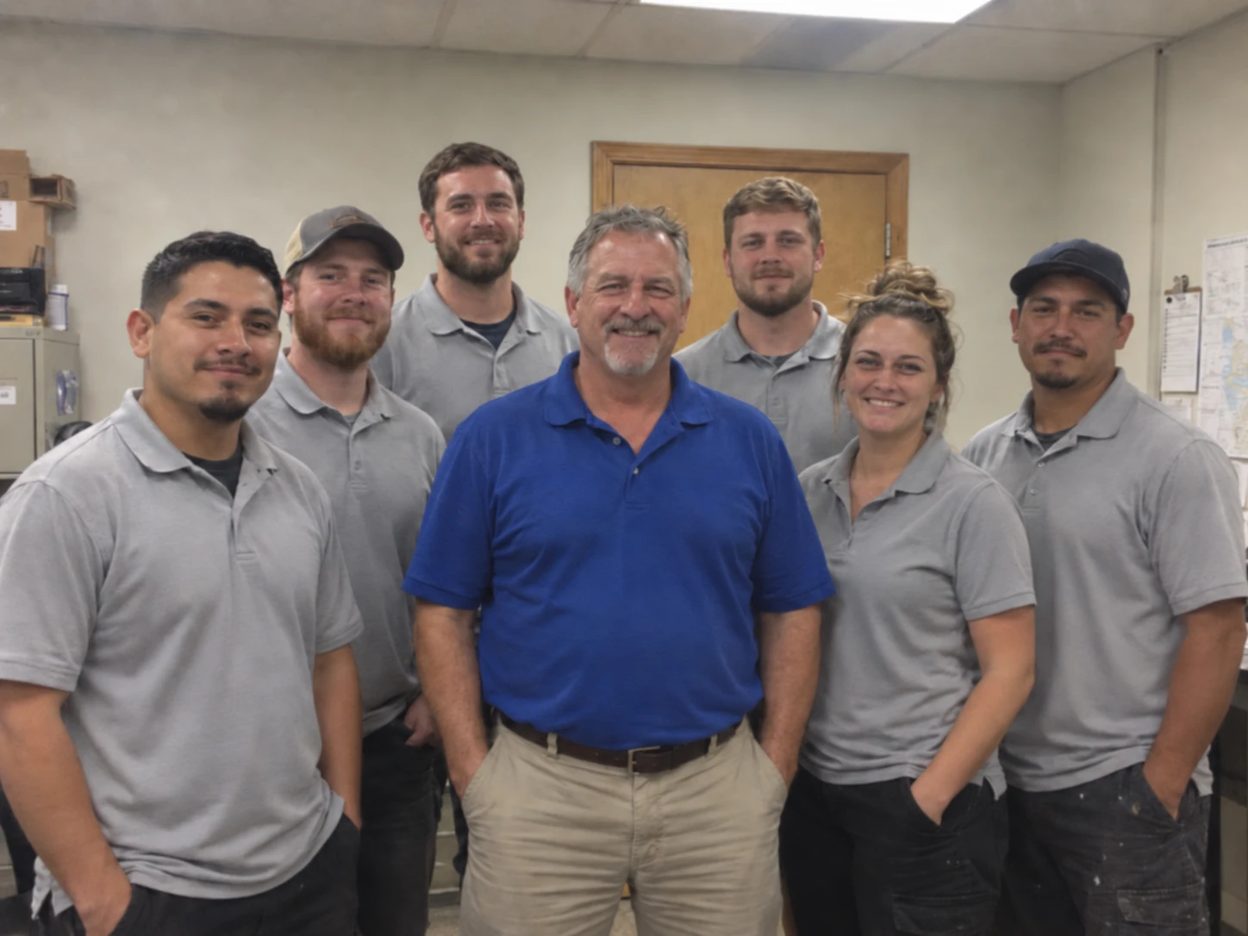
Once the load is known, we select equipment to fit it, and we pick it as a matched set. Manufacturers rate the outdoor unit, indoor coil, and blower together, so a mismatched pairing forfeits the SEER2 and AFUE figures printed on the sticker. You will get a plain-language explanation of what single-stage, two-stage, and variable-speed equipment actually do, where an ECM blower earns its cost, and whether a furnace, air handler, or heat pump makes the most sense for your house, with no pressure attached. The ducts get the same scrutiny. Our crew measure static pressure, track down leaky or undersized runs, and fix the chokepoints while everything is open, since even premium equipment underperforms on ducts that fight it.
Installation day runs on discipline: line sets pressure-tested and evacuated to a micron-gauge-verified vacuum, charge weighed in and confirmed by superheat and subcooling, gas connections leak-tested, venting run to manufacturer spec, condensate trapped and protected by a float switch, and the thermostat configured for the equipment's actual staging. We finish with full commissioning, recording temperature split, temperature rise, amp draws, and static pressure, then walk you through everything before we haul the old equipment away. For a complete HVAC installation in Hayward done to spec, call (510) 201-4737 for a site visit and a firm price.
Our two most requested repairs are AC Repair in Hayward and Furnace Repair in Hayward. If something has stopped working, start there.
Signs You Need HVAC Installation in Hayward
Spotting the early warning signs gives you the chance to act before the situation spirals into something far more expensive. These are the signals our technicians see most often when a problem is underway:
- Rooms that never reach temperature no matter how the vents are adjusted
- You are renovating or adding space and the old system cannot carry it
- Big repairs on both the heating and cooling side, one after another
- Cold-but-clammy summers, a classic sign the system is oversized
- The system still runs phased-out R-22 refrigerant
- Energy bills climbing every season while comfort declines
- Your heating and cooling equipment is past the twelve-to-fifteen-year mark
- Equipment loud enough to hear over conversation
Act Before It Gets Worse
Most HVAC failures start small, a weak capacitor, a squealing blower, a system that runs a little longer each week. Don't wait, get Hayward HVAC on the phone at (510) 201-4737 and we'll take a look right away.
Ready to Solve Your HVAC Installation Problem?
Call Hayward HVAC for fast, reliable service.
Call (510) 201-4737 NowFrequently Asked Questions About HVAC Installation
Why Professional HVAC Installation Matters
An HVAC system is the largest machine in most homes, and installation is where its entire service life gets decided. The failure modes are invisible at handoff: a vacuum never verified means moisture breeding acid in the refrigerant loop, a charge set by feel means efficiency quietly surrendered, mismatched coil-and-condenser pairings mean the rated numbers were never achievable, and duct restrictions mean the blower spends fifteen years straining against static pressure it was never designed for. Refrigerant work is federally regulated and gas and venting mistakes are safety problems, not just performance problems.
Our experienced technicians treat installation as a chain of proofs, not a list of tasks. The load calculation proves the size. Matched equipment makes the rating reachable. A pressure test and a micron-gauge vacuum prove the circuit is tight and dry, while a weighed charge checked against superheat and subcooling proves the refrigerant side. On the heating side, gas lines are leak-tested, draft is verified, and blower speed is set to hold the rated temperature rise. Finally, commissioning puts the numbers on paper, creating the baseline every future visit is measured against. That documentation is standard on every system we install in Hayward.
How Our HVAC Installation Works
We work through a clear, repeatable process so nothing gets overlooked on your property. Here's a look at each step our Hayward HVAC team takes:
Load Calculation & Duct Evaluation
Before any equipment is chosen, we run a room-by-room load calculation and take static pressure readings on your ducts so the design starts from real numbers.
Equipment Options & Upfront Pricing
We propose matched equipment combinations at honest good-better-best tiers, explain staging and efficiency trade-offs plainly, and give a firm installed price up front.
Precision Installation
Line sets are pressure-tested and evacuated to a verified vacuum, charge weighed in, gas and venting run to spec, condensate protected, and duct chokepoints corrected while the system is apart.
Performance Testing & Walkthrough
We prove the install with recorded numbers, from temperature split and rise to amp draws and charge, then configure the thermostat and walk you through every control before haul-away.
How to Prevent HVAC Installation Problems
Taking preventive measures can help you avoid costly heating and cooling problems down the road. Put these technician-approved steps to work around your property:
- Keep supply and return vents open to preserve the airflow balance set at commissioning
- Start a regular filter schedule right away, since steady airflow protects the coil and the heat exchanger
- Keep the outdoor unit rinsed and clear so the condenser coil never runs starved
- Flush the drain line before summer to keep algae from clogging it
- Schedule two tune-ups a year: cooling in spring, heating in fall
- Address small noises and performance drifts early, while they are still small
- Keep the startup readings on file, since they speed up every future diagnosis
Comparing DIY and Professional HVAC Installation
Some simple checks are suitable for DIY, but most heating and cooling repairs benefit from professional tools, training, and experience. Here's a comparison:
| Factor | DIY Attempt | Professional Service |
|---|---|---|
| Sizing | Square-foot guesswork | Capacity matched to measured heat loss and gain |
| Matching | Whatever coil fits, efficiency forfeited | Rated coil and condenser pairings |
| Refrigerant | Skipped evacuation and a guessed charge | Micron-gauge vacuum and weighed charge |
| Ducts | New equipment on choked ducts | Ducts tested and chokepoints corrected |
| Combustion Safety | Gas joints and venting left unchecked | Draft measured and gas connections leak-checked |
| Startup & Testing | It runs, good luck | Performance recorded as a service baseline |
Get HVAC Installation Help Today
Every day you wait puts more strain on a struggling unit. Get Hayward HVAC on the job today.
Call (510) 201-4737 TodayAreas We Serve for HVAC Installation
We bring HVAC installation to homes and businesses in town and across the nearby communities. Pick your area to see local details.